The Importance of Media Literacy in Rural Areas
In an era where digital media trends continue to shape how we consume news, it is crucial for rural communities in Romania to foster media literacy. This article explores the significance of understanding media sources, especially in small cities facing the decline of print media.
Understanding Media Literacy
Media literacy refers to the ability to access, analyze, evaluate, and create media in various forms. In rural areas, where local journalism often struggles due to the newspaper industry decline, this skill becomes essential. Experts suggest that individuals who can critically evaluate news sources are better equipped to discern factual information from misinformation.
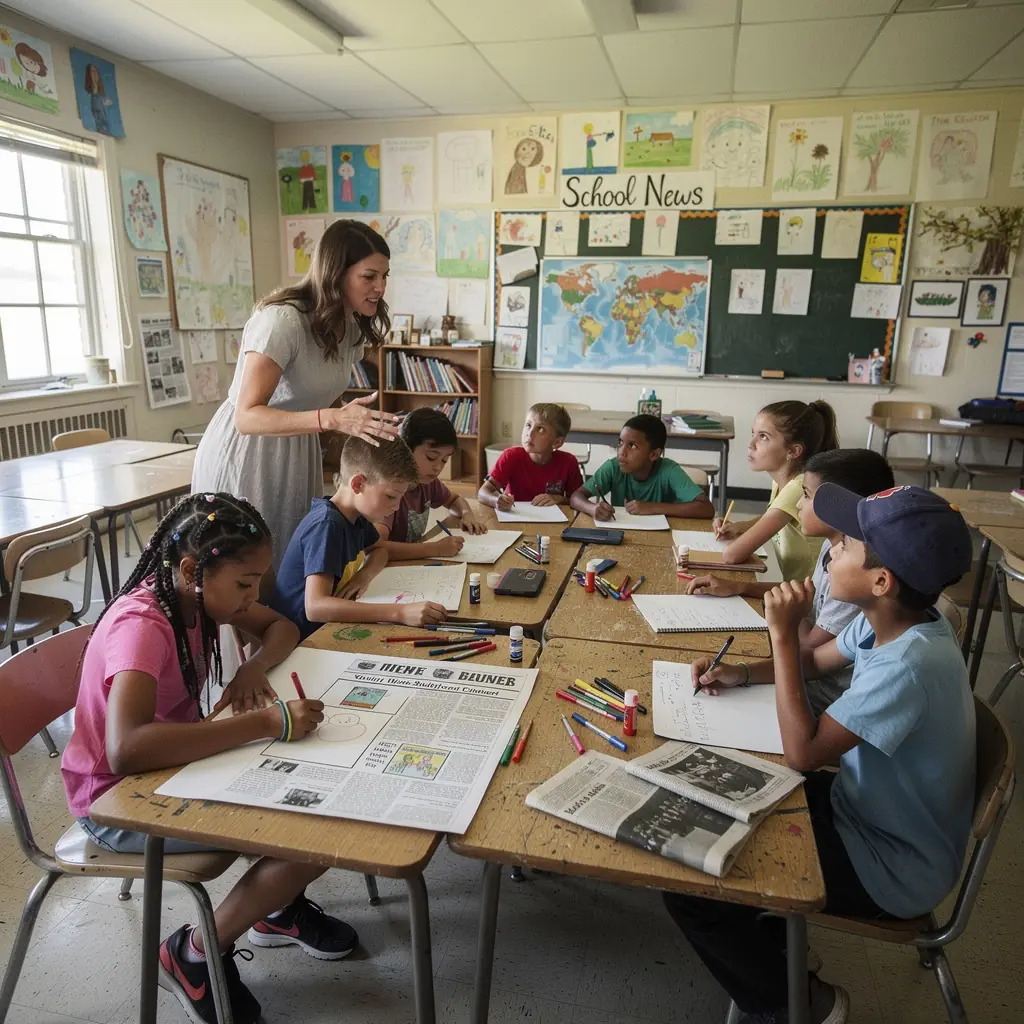
"Media literacy helps individuals navigate an increasingly complex media landscape, fostering informed citizens who engage meaningfully with their communities."
The Impact of Local News Decline
The decline of print media in small towns has directly affected how residents receive news. Many community news blogs and digital platforms have emerged as alternatives, but the transition to digital news presents its own challenges. For instance:
- Limited access to reliable internet can hinder the consumption of digital journalism.
- The shift away from traditional newspapers means fewer opportunities for local reporting, impacting community storytelling.
- Small towns often lack the resources to support grassroots journalism, creating media accessibility issues.
Fostering Media Literacy in Rural Romania
To improve media literacy in small cities, several strategies can be implemented:
- Workshops and Training Sessions: Local governments and NGOs can organize events to teach residents about evaluating sources and understanding media bias. This proactive approach may involve collaboration with educational institutions.
- Promoting Local Journalism: Supporting local news outlets and encouraging community members to contribute stories can enhance the importance of local news. By creating a platform for diverse voices, communities can engage with their history and current events more deeply.
- Digital Literacy Programs: Establishing programs focused on digital skills among older generations can bridge the gap in understanding digital vs print media. These programs can help residents navigate online news platforms effectively.
Conclusion
As Romania faces the challenges of dwindling print media, enhancing media literacy in rural areas becomes increasingly vital. By fostering a critical understanding of media, communities can combat misinformation and strengthen their engagement with local issues. Building a future for small town news coverage requires commitment from both individuals and institutions to ensure that the essence of public interest journalism thrives.